The Key Holder
Opens doors you can’t open alone
The Key Holder opens doors. Where others give you advice, a Key Holder gives you access: they use their own name, credibility, and connections to get you into the room. They don’t hand out opportunities out of charity. They recognise that you’re ready, and they put their reputation behind it.
Many people do everything right and still stay unseen. Not for lack of talent, but because nobody with access is speaking up for them. A Key Holder speaks up. They talk about you, often in rooms you haven’t entered yet, and make space for you once you’re in. Their power lies not in holding keys, but in sharing them.
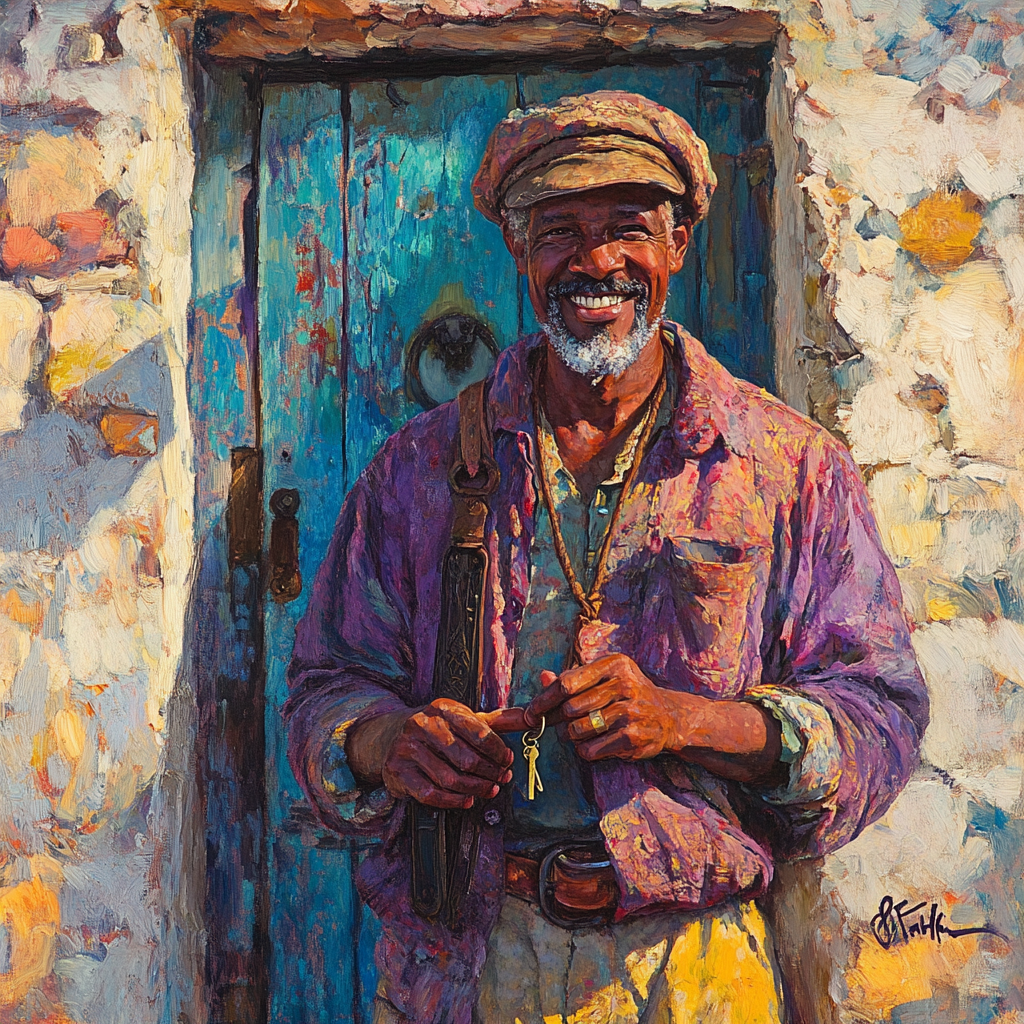
Fig. 1 — The Key Holder archetype, visualised in oil.
contents
at a glance · villager vii
Clavis aperiens, the opening key
You may need a Key Holder when…
- You’re ready for more, but the right doors stay closed.
- You’re doing the work, but stay unseen or underestimated.
- You need a way into the rooms where decisions are made.
- You need someone with influence to vouch for you.
A Key Holder helps you move from doing the work to being recognised for it.
Roles they might play
Anyone with influence who uses it to lift others.
chapter i
Field notes on the Key Holder
their character
Why they matter
“They spend their credibility on you, because they believe you’re worth it.”
Where a Pathfinder shows you how they found their way, a Key Holder gets you through the door. They bring access and advocacy: they know that talent often needs visibility to be recognised, and that you can do everything right and still remain unseen without someone who says, “Look here. This person matters.”
They believe in fairness, not favouritism. Their influence opens doors, yes, but their presence also helps you feel safe enough to walk through. They lend you trust until you can carry it yourself. A Key Holder reminds you that belonging isn’t granted by luck; it’s often sponsored by belief.
in the wild
Recognising them
Key Holders tend to move with quiet influence. They’re respected, well-connected, and rarely boastful. You might recognise them as the manager who mentions your name in the right meeting, the mentor who forwards your work to someone who can open a door, or the colleague who says, “You should be the one to present this.”
They have a good eye for talent and the credibility to back it up, and they use both to lift others. You leave their company feeling seen, as if a door you didn’t know existed has just opened a little.
chapter ii
Working with a Key Holder
With a Key Holder, you move from waiting to be noticed to being put forward.
Growth with a Key Holder happens through trust and visibility. They can’t open doors for what they don’t know, so share your aspirations with them. Tell them what you’re working toward, what excites you, and where you hope to go next.
When you let them in on your goals, they start to see opportunities that fit you. They might mention your name in a conversation, forward a connection, or guide you toward the right moment to step forward. Their role isn’t to pave your path: it’s to help others notice you walking it.
Key Holders are often asked for a lot. To invite a Key Holder into your village, be specific about the door you’re hoping for.
To open the conversation
- “I’m ready for a new challenge. Could I ask your advice on how to get more visibility?”
- “If you ever hear of opportunities in [area], would you think of me?”
- “You have such a good overview of this space. Could you help me find the right person to talk to?”
Questions to bring
- “What spaces or conversations should I be part of to grow next?”
- “Who might be open to connecting with me?”
- “How do people at your level identify someone who’s ready for more responsibility?”
- “Would you be willing to share my work or name if the right opportunity appears?”
These conversations give your Key Holder something to work with. They turn your goals into doors they can open.
chapter iii
Reflective questions
On your way to finding a Key Holder, take a moment with these questions. They help you recognise the right person, and bring them the right question.
- Who has ever opened a door for me, and what difference did it make?
- Where am I ready to be seen, but still waiting for permission?
- How could I communicate my goals more clearly so others can help me reach them?
- When might I be someone else’s Key Holder?
chapter iv
Tending the relationship
Finding your villager and inviting them in is only the beginning. A village stays alive through rhythm and care: staying in touch, letting people know what their support made possible, and noticing when the relationship needs something different.
Keeping it warm
a good rhythm
Keep them posted now and then, so they know what you’re working on and where you want to go next.
keeping it warm
Always close the loop: tell them what happened after they opened the door.
giving back
Make them proud they vouched for you, and open doors for others in turn.
watch out for
Where this kind of support can quietly go wrong, on their side or on yours.
One key for every door
Depending on a single sponsor is fragile. If they change jobs, your access may leave with them.
Treating them as a ticket
A Key Holder lends you their credibility. Give them something to vouch for: let them see your work before you ask for the door.
Favouritism instead of fairness
Some Key Holders open doors mostly for people who remind them of themselves. If you benefit from that, notice it, and hold the door open for someone who doesn’t get that advantage.
Hesitating at the threshold
When a door opens, walk through it. Every time you hesitate, it costs them some of the credibility they spent on you. A Challenger can help you here.
When you outgrow them
Outgrowing a villager doesn’t mean ending the relationship. Usually it’s the sign that it worked. Your need has changed, so the role they play for you can change too.
Notice the signs
- You’re in the room now, and people invite you directly.
- Your own reputation arrives before you do.
- The next doors you want are ones they don’t hold keys to.
Their role might change
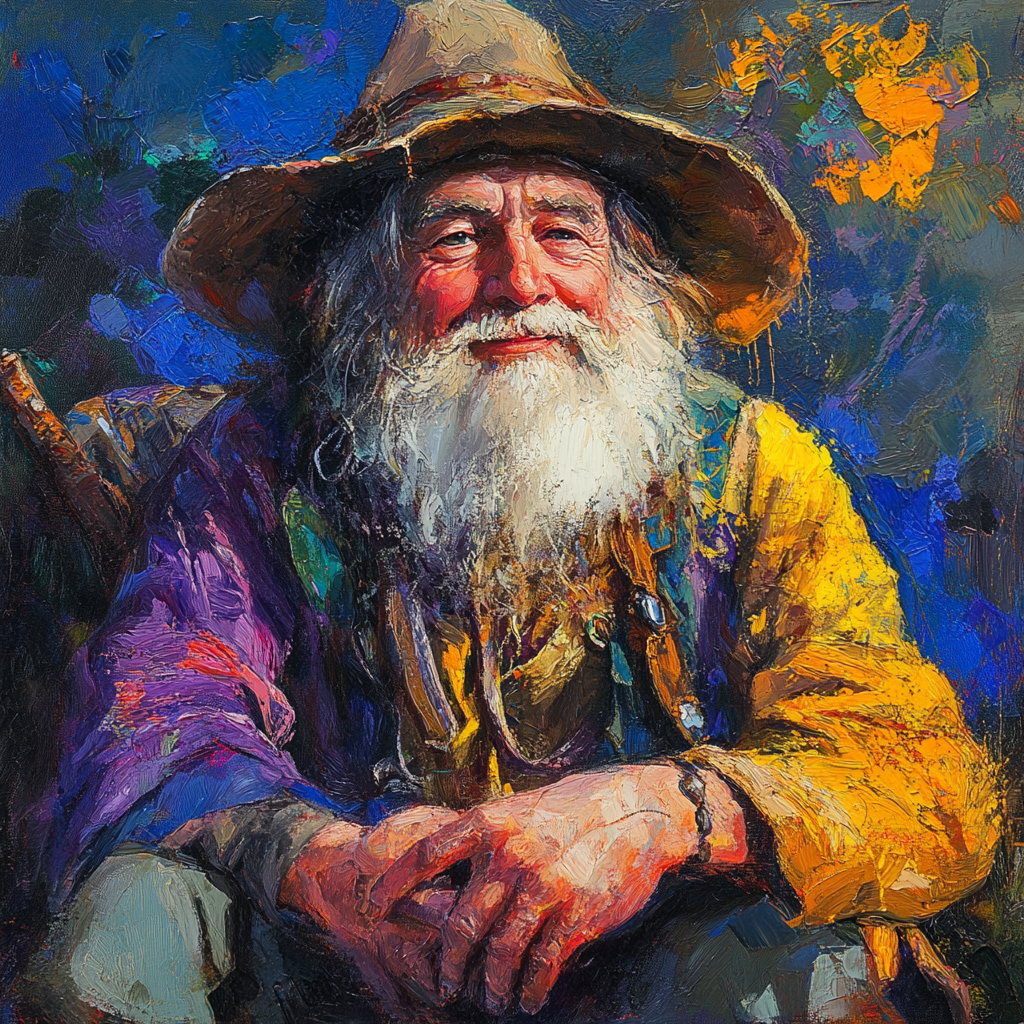 The PathfinderYou’re now on a path they’ve walked further.
 The Fellow TravellerYou’re colleagues inside the same room.
Or any other villager that fits their personality.
Have the conversation
“You opened the door that got me here, and I don’t take that for granted. I’d love to keep you posted on how it’s going. And if there’s ever someone you’d like me to open a door for, just tell me.”
“Now that I’m in, I’d love to learn how you grew from here. What do you wish you’d known at this stage?”
a note on use
Free to use, when credited
The Key Holder is one of the villagers of The Village. Use it for your own growth, or with the people you mentor or manage. Coaches, including career coaches, are welcome to use it in their own practice. All I ask is that you credit me as its creator, so others can find the original.
The Village is licensed under CC BY-SA 4.0. Use without credit falls outside this licence, and in that case I reserve the right to charge a fee.
also
Beyond the page
The Village is made to be used without me: everything you need is in this guide. Still, if you’d like to explore it together with your team or audience, I love doing that in person.
My agenda is quite full, but when it allows, I’m open to discussing a professional engagement: a work session with a team or smaller group, or a talk for a larger group.