The Pathfinder
Has walked the road you want to take
The Pathfinder has already walked the road you want to take. They know where it gets steep, where the roadblocks are, and what tends to catch people out at the start. They walk ahead of you, not beside you: close enough to ask, or so far ahead that they don’t know you’re following. Their gift is hindsight: not telling you where to go, but sharing what they learned along the way.
Think of the senior manager who tells you, “Yes, that’s always hard in your first year. Here’s what helped me.” Or a well-known figure who shares how they started, and what they would do differently now. You look to them not because they’re perfect, but because they’re real: open about the wrong turns, the detours, and the lessons that shaped them.
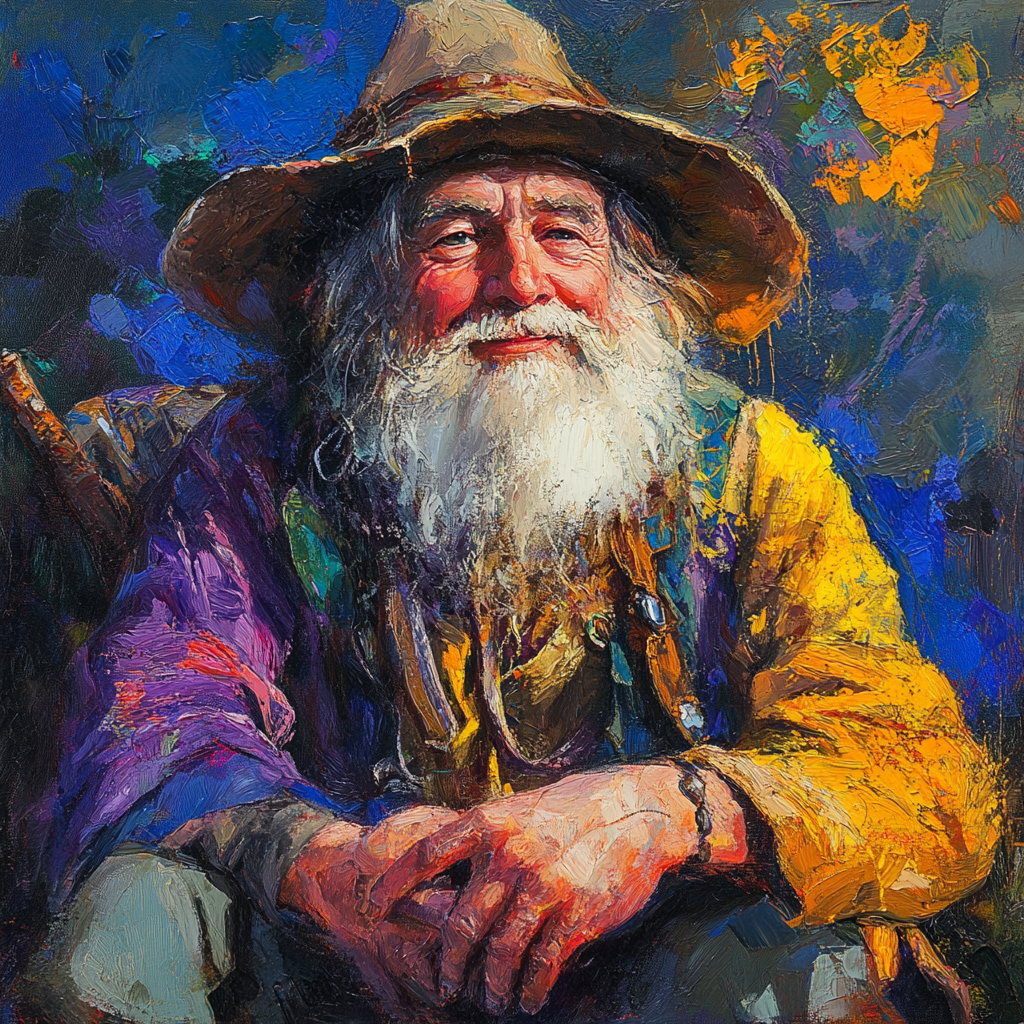
Fig. 1 — The Pathfinder archetype, visualised in oil.
contents
at a glance · villager vi
Dux viae, the guide of the way
You may need a Pathfinder when…
- You’re facing a step you’ve never taken, but others have.
- You want to know the roadblocks before you hit them.
- You need reassurance that this phase has an end.
- You need to see living proof that what you want is possible.
A Pathfinder helps you find your way, with advice from someone who’s already made the journey.
Roles they might play
Anyone whose story lights the path you’re on, even from a distance.
chapter i
Field notes on the Pathfinder
their character
Why they matter
“They’ve been where you are, and lived to tell the story.”
Where a Builder walks alongside you, a Pathfinder walks ahead. They turn hindsight into foresight: the shortcuts, the pitfalls, and the choices that only become visible with distance. They help you understand that the unknown isn’t empty: it’s terrain others have crossed before. And they pass on what they learned, saying, “I’ve been there. Here’s what helped me. You’ll find your way too.”
Their advice is practical, even from a distance: a story about their first year, a mistake they’d avoid, a step they’d take sooner. They remind you that growth has always been messy, and that progress doesn’t always look like success.
in the wild
Recognising them
Pathfinders have a quiet, lived-in confidence. They’re generous with what they’ve learned, and honest about what they got wrong. You might recognise them as the person who says, “I made that exact mistake. Here’s what I’d do instead,” or the one whose talk, blog or book you keep coming back to, because it describes exactly where you are.
They are the people whose presence, or even whose story, makes you breathe easier and think, “Maybe I can get there too.”
chapter ii
Working with a Pathfinder
With a Pathfinder, you move from guessing your way forward to learning from someone who’s been there.
Growth with a Pathfinder happens through conversation, observation, and reflection. Their stories become your guideposts: not rules to follow, but hard-won advice you can adapt to your own road.
Share where you are and what you’re facing next, and ask what they’d do in your place. They’ll often answer with a story, a mistake to avoid, or a practical tip that helps you find your bearings. And when you can’t meet them in person, their books, talks and interviews can guide you just as well.
Pathfinders are often generous with what they’ve learned, but their time is limited. To invite a Pathfinder into your village, ask a specific question about the road ahead, and keep it light.
To open the conversation
- “You’ve navigated something similar. What helped you keep going?”
- “What do you wish someone had told you at my stage?”
- “When did things start to make sense for you?”
- “Could you share a bit about how you handled uncertainty back then?”
Questions to bring
- “What signs told you that you were on the right track?”
- “What mistakes taught you the most?”
- “How did you know when to keep going versus change direction?”
- “Who or what helped you the most on your way?”
These conversations turn their experience into your head start.
chapter iii
Reflective questions
On your way to finding a Pathfinder, take a moment with these questions. They help you recognise the right person, and bring them the right question.
- Who has walked the path I hope to follow?
- When have I acted as a Pathfinder for someone else?
- What stories or voices remind me that I’m not lost, just early?
- How can I seek wisdom without expecting a map?
chapter iv
Tending the relationship
Finding your villager and inviting them in is only the beginning. A village stays alive through rhythm and care: staying in touch, letting people know what their support made possible, and noticing when the relationship needs something different.
Keeping it warm
a good rhythm
Light and occasional. A coffee at a turning point, or a message when you reach a milestone they once described.
keeping it warm
Keep them posted as you go: which turns you took, and where they led.
giving back
Tell them what you learned from them, and how they inspired you. Then pass it on: be a Pathfinder for someone a few steps behind you.
watch out for
Where this kind of support can quietly go wrong, on their side or on yours.
Only hearing the success stories
We mostly hear from people who made it. Look for several Pathfinders, especially ones who are honest about their detours.
Asking for a map
Pathfinders share what worked for them, not a step-by-step plan. If you need someone to guide you through it hands-on, you’re looking for a Builder.
Copying the route instead of learning from it
Their path was shaped by their time, their circumstances and a bit of luck. The certificate that opened doors for them may not open yours. Take the direction, not the exact footsteps.
Admiring the highlight reel
Role models from a distance show a curated version of their journey. Let them inspire your direction, but don’t measure your messy middle against their polished story.
When you outgrow them
Outgrowing a villager doesn’t mean ending the relationship. Usually it’s the sign that it worked. Your need has changed, so the role they play for you can change too.
Notice the signs
- You’ve caught up with them: you’re now where they are. Time to look further up the road for a new Pathfinder.
- Your paths have diverged, and their stories no longer quite fit your terrain.
- Other people have started asking you the questions you used to ask them.
- Their advice starts to sound familiar: you’ve already lived it.
Their role might change
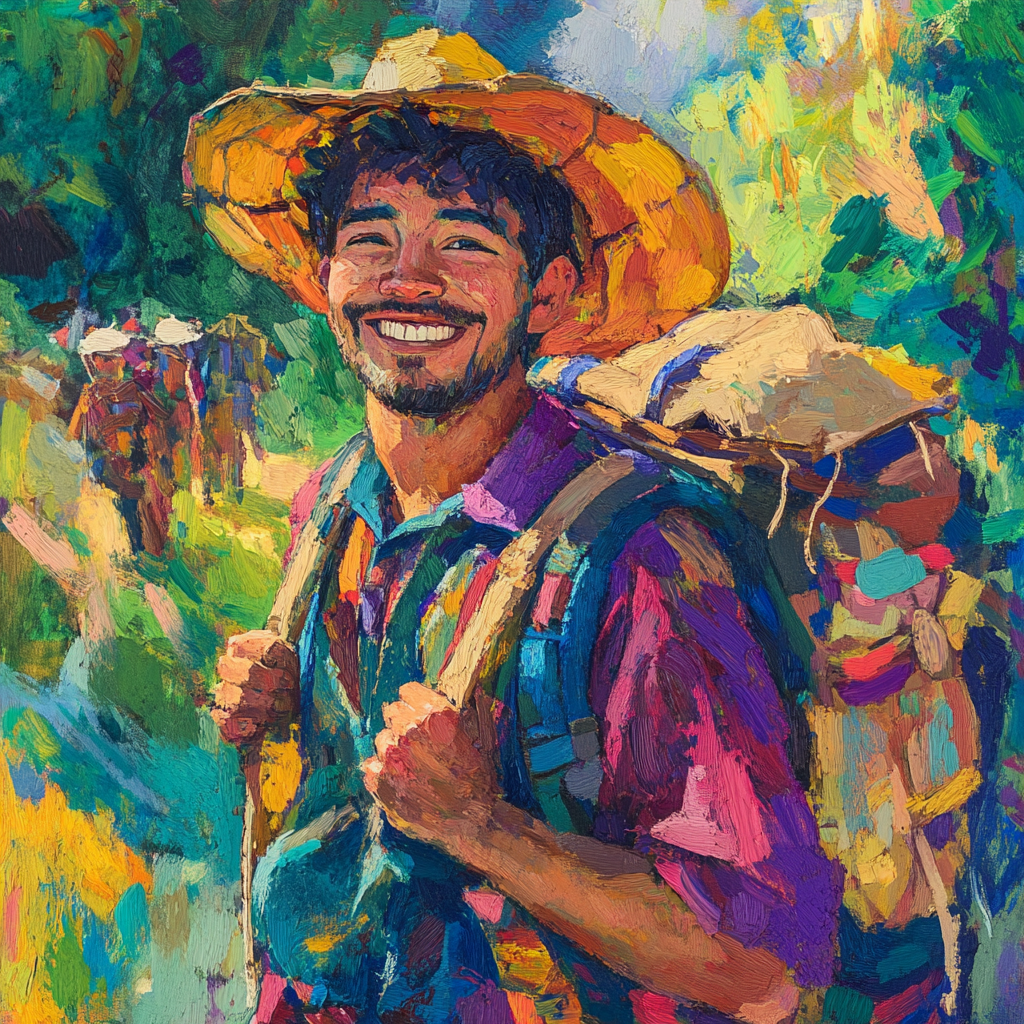 The Fellow TravellerYou’re now walking the same stretch of road.
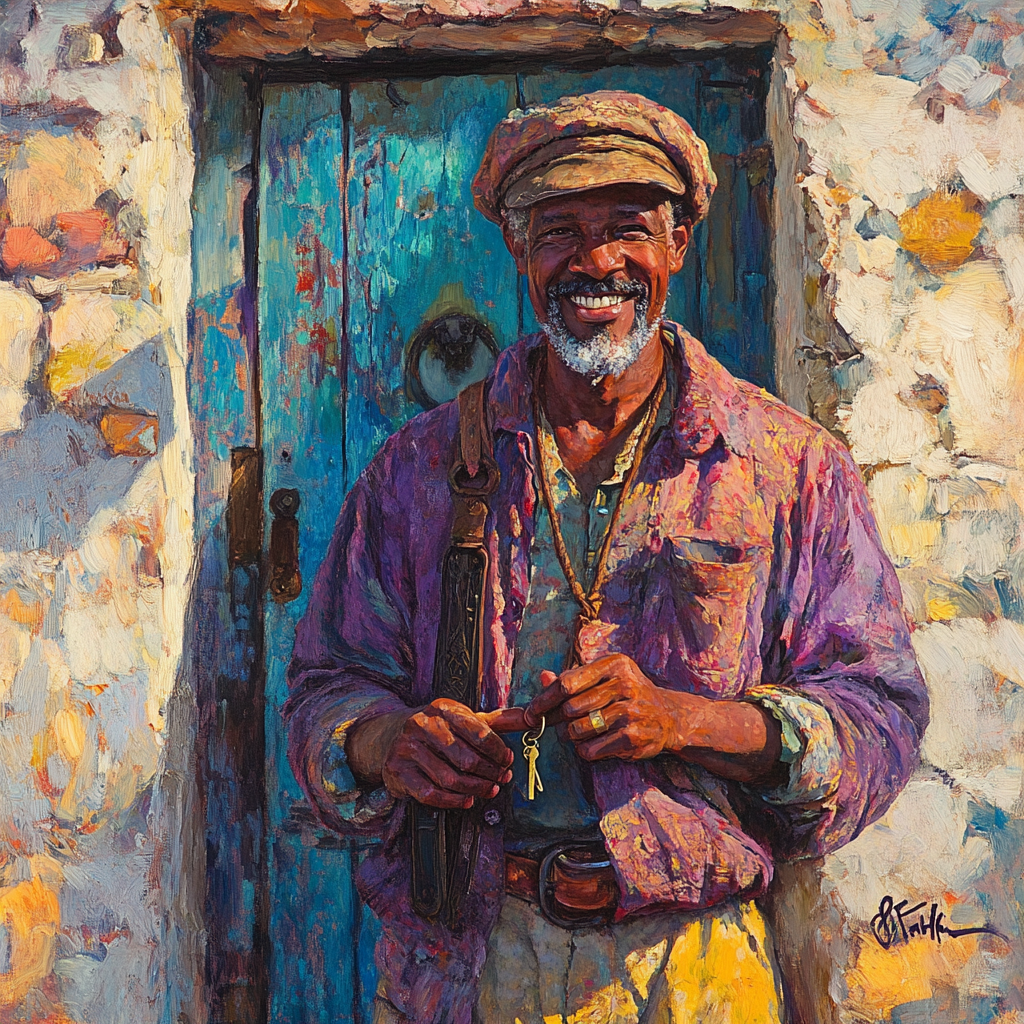 The Key HolderThey’ve seen you arrive, so they can vouch for your next step.
Or any other villager that fits their personality.
Have the conversation
“When I started, your story showed me this was possible. Now I’m about where you were when I first met you. I’d love to hear what came next for you.”
“You’ve seen where I started and where I am now. Would you be open to vouching for me as I take the next step?”
For a Pathfinder you’ve only admired from afar, there’s nothing to announce. But if you ever get the chance, tell them their story mattered. Most people never hear that.
a note on use
Free to use, when credited
The Pathfinder is one of the villagers of The Village. Use it for your own growth, or with the people you mentor or manage. Coaches, including career coaches, are welcome to use it in their own practice. All I ask is that you credit me as its creator, so others can find the original.
The Village is licensed under CC BY-SA 4.0. Use without credit falls outside this licence, and in that case I reserve the right to charge a fee.
also
Beyond the page
The Village is made to be used without me: everything you need is in this guide. Still, if you’d like to explore it together with your team or audience, I love doing that in person.
My agenda is quite full, but when it allows, I’m open to discussing a professional engagement: a work session with a team or smaller group, or a talk for a larger group.