The Mirror
Helps you see yourself as you truly are
The Mirror helps you see yourself clearly: not as others see you, not as you wish to be, but as you truly are. They reflect both your brilliance and your blind spots, helping you recognise patterns, strengths, and truths you might overlook on your own.
A Mirror notices what lives beneath the surface, like the moments you go quiet, the themes that repeat, the tension between what you say and what you feel. They reflect these things gently, with curiosity instead of judgment, so you can meet yourself with honesty and care. Through their presence, you begin to see yourself more completely, light and shadow, strength and struggle alike. That clarity becomes the foundation for growth.
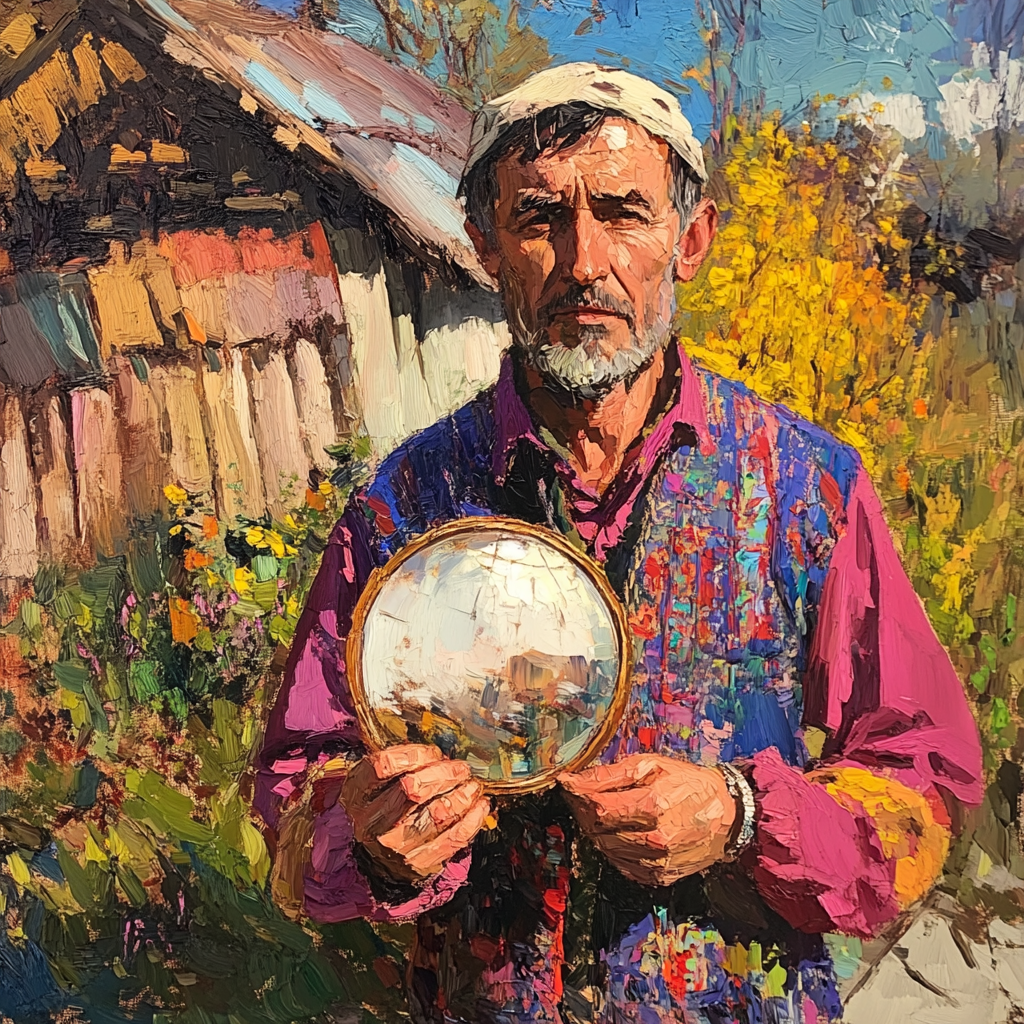
Fig. 1 — The Mirror archetype, visualised in oil.
contents
at a glance · villager i
Speculum honestum, the honest glass
You may need a Mirror when…
- You feel stuck but can’t explain why.
- You keep repeating patterns that drain or frustrate you.
- You receive feedback that surprises or confuses you.
- You want to understand your strengths and blind spots.
- You’re ready to grow, but not sure what needs to shift first.
A Mirror helps you step out of autopilot and into awareness, where all meaningful change begins.
Roles they might play
Anyone who naturally brings insight through reflective, curious listening.
chapter i
Field notes on the Mirror
their character
Why they matter
“They see past the mask, and hold up the truth so gently that you want to look.”
The Mirror brings clarity through awareness. They help you see how you show up: what drives you, what limits you, and what quietly works beautifully below your radar.
Their gift lies in their ability to see you, not the mask or the performance. They identify patterns and help you translate them into insight. You start to understand yourself not as a collection of flaws or strengths, but as a whole person whose patterns make sense.
The Mirror is where growth starts. They help you see that every meaningful change begins with seeing, really seeing, yourself.
in the wild
Recognising them
Mirrors are grounded, observant, and calm. They listen fully, often noticing what goes unsaid. They ask thoughtful questions that linger, not to test you, but to help you look a little further. You might recognise them as the person who spots your patterns long before you do, who names something you’ve felt but never articulated, or who holds up truth so gently that you actually want to look.
Their presence is steady and perceptive. They don’t rush to advise or fix; they help you understand. You leave seeing yourself, and your choices, more clearly.
chapter ii
Working with a Mirror
With a Mirror, you move from noticing your patterns to choosing what to do with them.
Growth with a Mirror happens through honest conversation, in a space where the truth feels safe enough to face.
Bring them a situation that feels confusing or keeps repeating itself, and ask what they notice: in your words, your tone, your behaviour. They’ll reflect back not just what you said, but how you said it, and what that might mean.
To invite a Mirror into your village, ask for perspective, not advice, and be open to curiosity: theirs and your own.
To open the conversation
- “I want to understand myself better. Can I share something and hear what you notice?”
- “Do you see any patterns in how I respond to this kind of situation?”
- “I’m not looking for a solution yet, just reflection. What stands out to you?”
Questions to bring
- “What do you notice that I might be missing?”
- “How do I come across when I talk about this?”
- “What patterns do you see in how I approach challenges?”
- “What strengths am I overlooking in myself?”
These conversations awaken your Mirror. They turn perception into insight, and insight into growth.
chapter iii
Reflective questions
On your way to finding a Mirror, take a moment with these questions. They help you recognise the right person, and bring them the right question.
- What parts of myself do I struggle to see clearly?
- Who helps me notice my own patterns with honesty and care?
- When was the last time I looked at myself without judgment?
- What truths about myself am I finally ready to face?
chapter iv
Tending the relationship
Finding your villager and inviting them in is only the beginning. A village stays alive through rhythm and care: staying in touch, letting people know what their support made possible, and noticing when the relationship needs something different.
Keeping it warm
a good rhythm
Every few weeks, or right after a moment that made you wonder about yourself. Bring something concrete, and come back to what they noticed last time.
keeping it warm
Tell them what you did with their reflection. Mirrors rarely see the effect of what they notice, and aren’t always sure their honesty was welcome.
giving back
Receive what they show you without defending yourself, and now and then, turn the mirror around: with the same care, tell them what you see in them.
watch out for
Where this kind of support can quietly go wrong, on their side or on yours.
Reflection without warmth
A Mirror who only shows you your blind spots, and never your brilliance, has become a critic. A good reflection is honest and kind.
Every mirror is slightly curved
Every Mirror sees you through their own experience. Before you treat one reflection as the truth, hold it up against a second mirror.
Choosing a flattering mirror
It’s tempting to ask the person who will reflect what you hope to see. A Mirror is only useful if they’re also willing to show you what you’d rather not.
Looking without moving
Endless reflection can feel productive and still change nothing. If you keep returning to the same pattern without acting on it, you may need a Challenger more than another Mirror.
When you outgrow them
Outgrowing a villager doesn’t mean ending the relationship. Usually it’s the sign that it worked. Your need has changed, so the role they play for you can change too.
Notice the signs
- You catch your own patterns, sometimes halfway through a sentence.
- You can predict what they’ll notice, and their reflections confirm instead of reveal.
- Your questions have moved from “Why do I do this?” to “How do I change it?”
- You’ve grown into a world they don’t know well, and their reflections no longer quite fit what you’re facing. You might need a different Mirror.
Their role might change
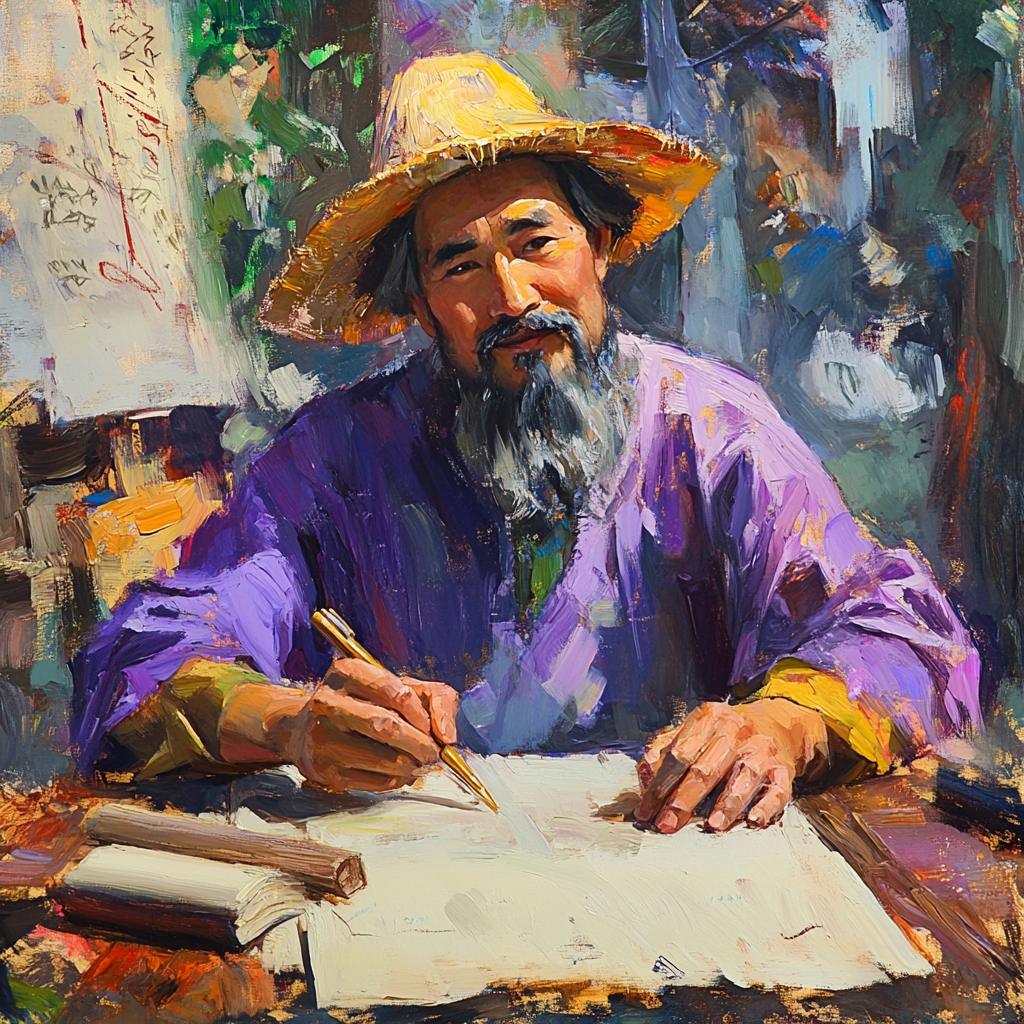 The ArchivistThey’ve watched you for a long time, so they can remind you how far you’ve come.
 The ChallengerNow that you see clearly, they can hold you to what you saw.
Or any other villager that fits their personality.
Have the conversation
“You’ve helped me see so much about how I work. I think I’m ready to act on it now. Would you be willing to hold me to it?”
“I notice I’m catching my own patterns more often, and that’s thanks to you. Could we shift from ‘What do you see?’ to ‘How am I doing with changing my patterns?’”
a note on use
Free to use, when credited
The Mirror is one of the villagers of The Village. Use it for your own growth, or with the people you mentor or manage. Coaches, including career coaches, are welcome to use it in their own practice. All I ask is that you credit me as its creator, so others can find the original.
The Village is licensed under CC BY-SA 4.0. Use without credit falls outside this licence, and in that case I reserve the right to charge a fee.
also
Beyond the page
The Village is made to be used without me: everything you need is in this guide. Still, if you’d like to explore it together with your team or audience, I love doing that in person.
My agenda is quite full, but when it allows, I’m open to discussing a professional engagement: a work session with a team or smaller group, or a talk for a larger group.