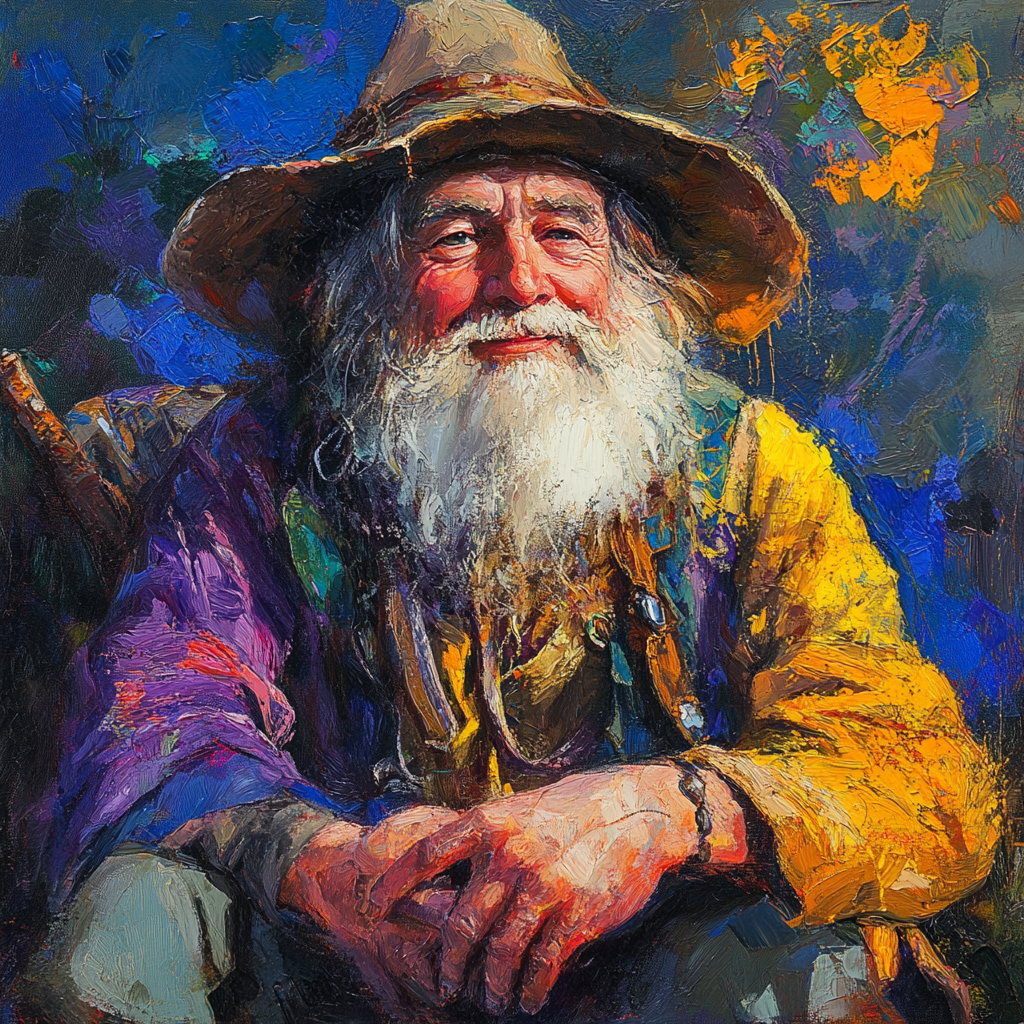
The Pathfinder shows you what’s possible. They’ve walked roads you haven’t yet traveled, faced the same storms, and found a way through. Their gift is perspective – not telling you where to go, but helping you see that the path ahead can be walked.
Pathfinders don’t lead by authority; they lead by example. They remind you that courage isn’t the absence of fear, it’s moving forward despite it. You look to them not because they’re perfect, but because they’re real – open about the wrong turns, the detours, and the lessons that shaped them.
What They Bring / Why They Matter
The Pathfinder brings orientation through lived wisdom. They turn hindsight into foresight, showing you patterns, context, and choices that become visible only with distance. They help you understand that the unknown isn’t empty – it’s terrain others have crossed before. They offer reassurance through experience, saying, “I’ve been there. Here’s what helped me. You’ll find your way too.”
Their stories ground you in reality but lift you toward possibility. They remind you that growth has always been messy, that mastery takes time, and that progress doesn’t always look like success.
When You Need Them
You may need a Pathfinder when:
- You’re entering new territory and can’t yet see the way forward.
- You crave perspective from someone who’s been through something similar.
- You feel overwhelmed, uncertain, and need reassurance that this phase has an end.
- You need to see living proof that what you want is possible.
A Pathfinder helps you find courage by showing that courage has been lived before.
How to Recognize Them
Pathfinders have a calm, grounded confidence. They don’t rush to give advice; they share stories that help you make sense of your own. You might recognize them as the senior colleague who speaks honestly about mistakes, the mentor who helps you zoom out, or even a public figure whose transparency about their journey inspires you to keep going.
They are the people whose presence – or even whose story – makes you breathe easier and think, “Maybe I can get there too.”
Common Roles They Might Play
Mentor, manager, senior peer, community elder, or a thought leader,
author, or speaker whose story resonates with the path you’re walking.
About The Village
The Village Series is a collection of guides, reflections, and frameworks that explore how we grow through community, connection, and the people around us. It includes the core Village archetypes, practical tools for networking with intention, and exercises to help you shape the support system you need in your personal and professional life.
You can find all articles and tools on the main The Village page. If you plan to use the framework in your work, please read the usage guidelines below.
Working With A Pathfinder
Growth with a Pathfinder happens through conversation, observation, and reflection.
Their stories become your guideposts – not as rules to follow, but as reminders that detours and doubts are part of every path.
You can engage a Pathfinder by sharing where you are and asking for their perspective rather than their plan.
They’ll often respond with a story, a metaphor, or a quiet truth that helps you orient yourself.
Even from a distance – through books, talks, interviews, or biographies – their lessons can guide you.
Sometimes we meet Pathfinders in person; sometimes we find them on the page. What matters is that they keep you walking when the road ahead feels unclear.
How To Invite Them
You can invite a Pathfinder (when possible) into your village by asking for perspective rather than direction. Let them know you value their experience, and invite them to reflect, not prescribe.
You might say:
- “You’ve navigated something similar – what helped you keep going?”
- “What do you wish someone had told you at my stage?”
- “When did things start to make sense for you?”
- “Could you share a bit about how you handled uncertainty back then?”
Typical questions to bring to a Pathfinder:
- “What signs told you that you were on the right track?”
- “What mistakes taught you the most?”
- “How did you know when to keep going versus change direction?”
- “Who or what helped you the most on your way?”
These conversations awaken your Pathfinder. They turn distance into mentorship, and experience into wisdom you can apply in your own way.
Reflective Questions
- Who has walked a path I aspire to follow — and what can I learn from their journey?
- When have I acted as a Pathfinder for someone else?
- What stories or voices remind me that I’m not lost, just early?
- How can I seek wisdom without expecting a map?
When Using This Framework
The Village framework is free for anyone to use – individuals, mentors, managers, and coaches. I created it from a genuine desire to help people find community, connection, and the human side of work. My hope is that these resources reach the people who need them most, especially those at the start of their careers who often have the biggest village to build.
You are welcome to use The Village in your own sessions, workshops, or coaching. The only thing I ask in return is that you credit me as the creator and clearly mention that you use this framework. This helps people find the free original, and it ensures that the work can spread in the way I intended – openly, without paywalls. What is not allowed is reselling or rebranding this work.
Sharing this freely means I earn nothing from it, but I believe in its purpose. If this framework has helped you or your organisation, you are welcome to buy me a digital coffee through Ko-Fi (small donations start at 4 euros). And if you are looking for someone to speak about The Village or the role of community in career growth, I am always open to public speaking invitations.